

A compact PHEV only makes sense if the battery does more than get you out of the garage. With contained electricity prices and urban trips of 20-40 km a day, the difference between a plug-in with 64 km of electric range and one with 140 km is, in practice, the difference between filling up with petrol once a month or not setting foot in a petrol station for weeks. This ranking orders the five compact PHEVs sold in Spain in 2026 by homologated WLTP electric range, all with a starting price below €45,000.
What changes between WLTP range and the range you will get in winter
The WLTP figure is the one that appears on the data sheet and the one that determines the labelling, but it is worth keeping in perspective: with the heating on and temperatures below 10 degrees, the real-world loss is usually around 15-25% against the homologated figure. A PHEV with 143 km WLTP can end up at 105-110 km in real conditions on a January day. Even so, the order of the ranking does not change: whoever starts with more battery keeps the proportional advantage even in the worst thermal scenario.
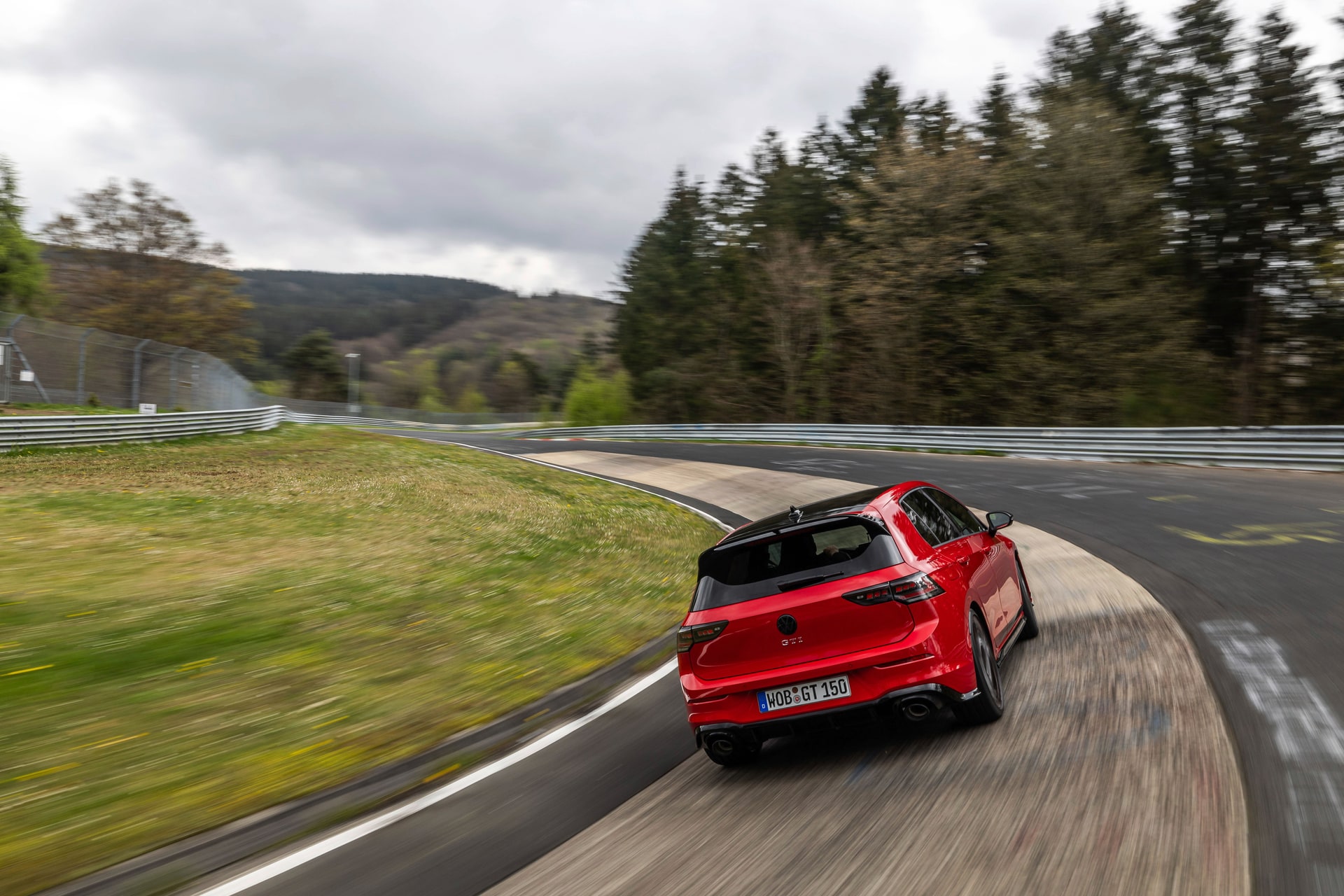
1. Volkswagen Golf eHybrid, from €39,900: the one that offers the most electric kilometres
The battery update that Volkswagen applied to the evolved MQB platform has put the Golf eHybrid at the top of this ranking, with 19.7 kWh of gross capacity and a WLTP electric range that reaches 143 km in the most favourable configuration. It is the only one of the five capable of covering a week of urban journeys without touching the combustion engine, barring unforeseen events. Its combined output of 204 CV also makes it the most agile of the group in pure electric mode.
| Power (kW) | Power (CV) | WLTP electric range | WLTP consumption | Label | Fuel |
|---|---|---|---|---|---|
| 150 | 204 | 143 km | 0.9 l/100 km | 0 | PHEV |
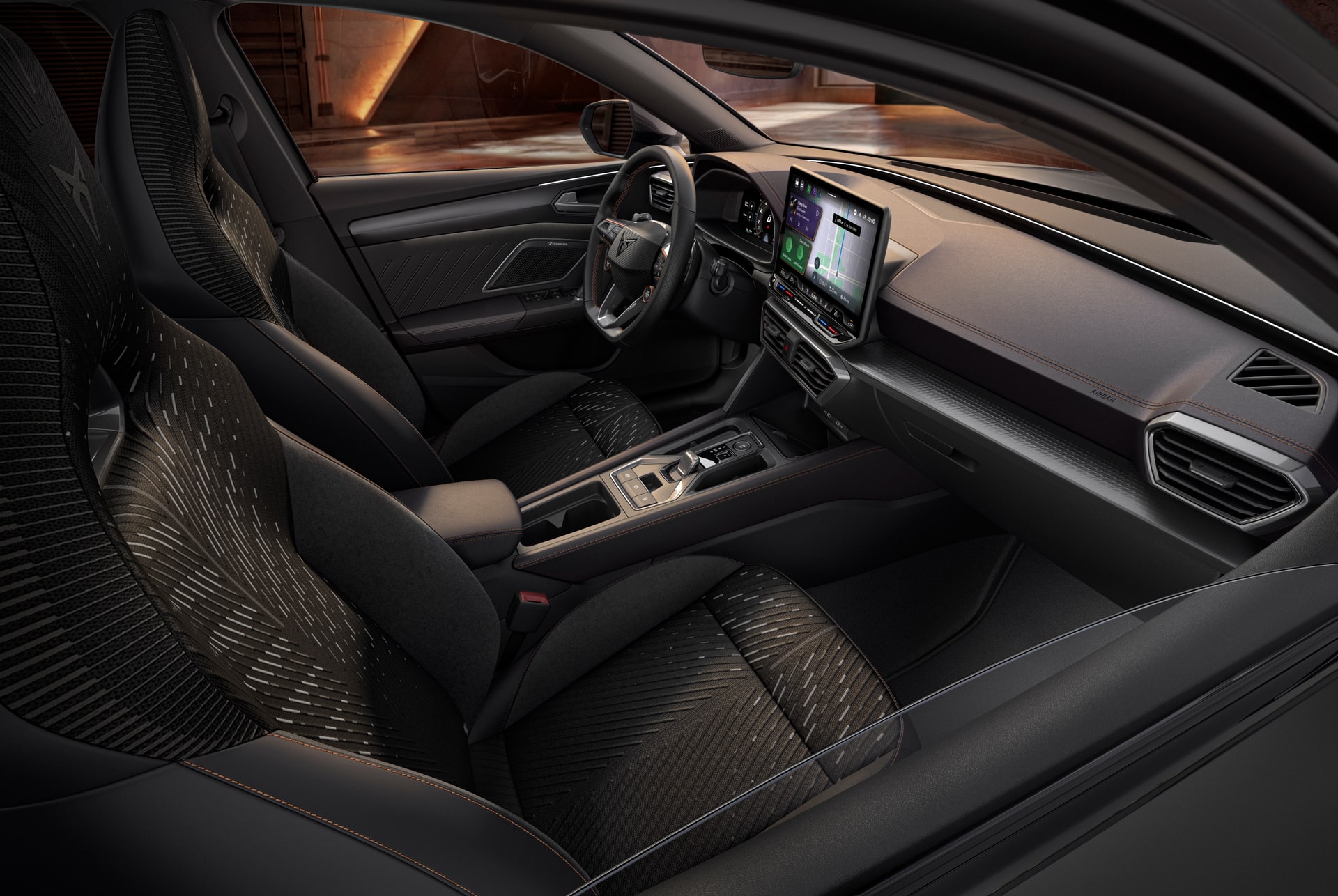
2. Cupra Leon e-Hybrid, from €40,800: almost the same figure with a different character
It shares its platform, engine and battery with the Golf, and that shows on the spec sheet: a WLTP electric range of 119 km, somewhat below its Wolfsburg cousin because of the tuning of the energy management electronics, which is geared more towards delivering power than stretching kilometres. For anyone who wants a compact that drives with more spirit in hybrid mode, those few kilometres less can be more than made up for. It is the typical case where the figure matters, but is not everything.
| Power (kW) | Power (CV) | WLTP electric range | WLTP consumption | Label | Fuel |
|---|---|---|---|---|---|
| 150 | 204 | 119 km | 1.1 l/100 km | 0 | PHEV |
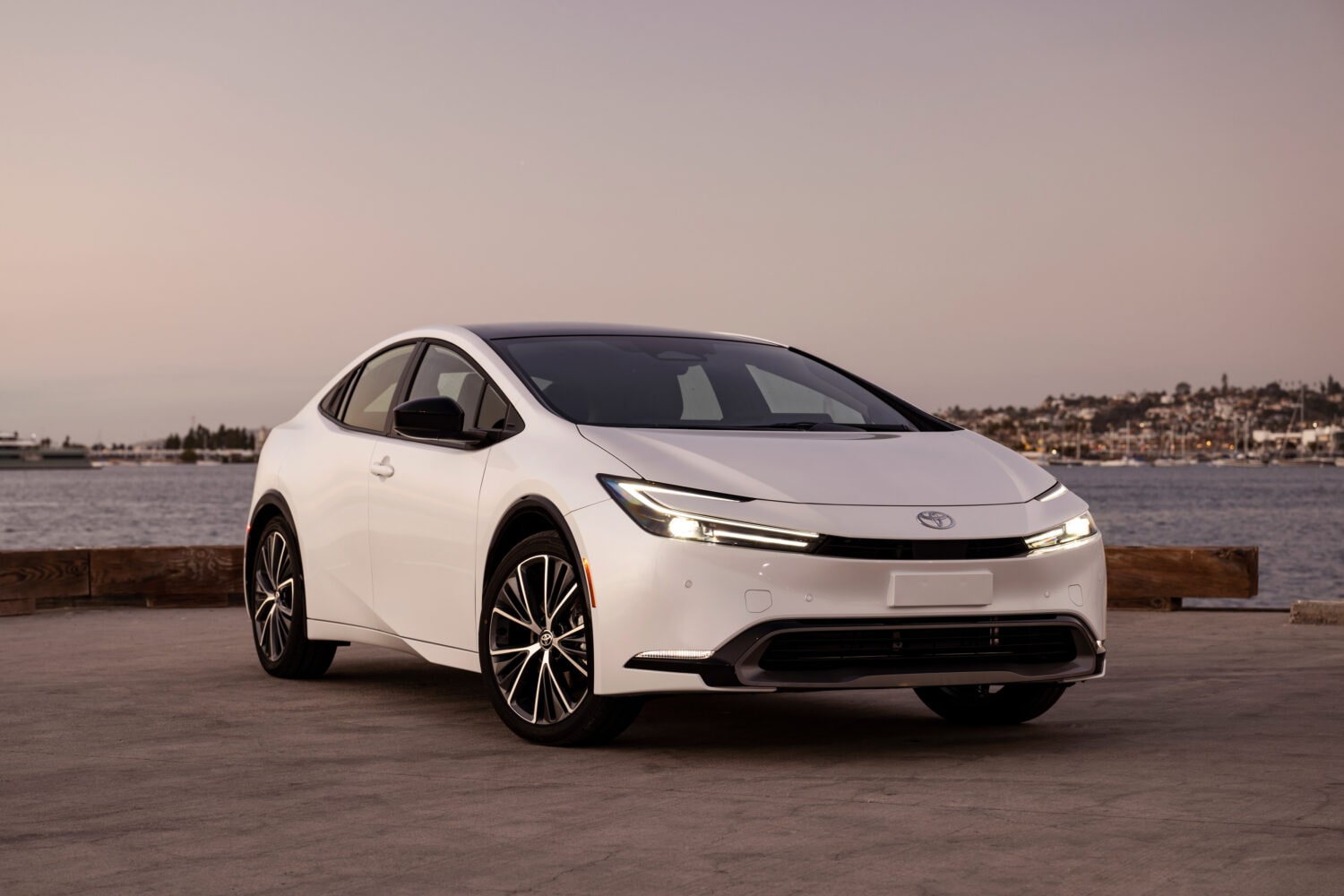
3. Toyota Prius PHEV, from €43,900: the smallest battery but the most efficient management
With just 13.6 kWh, the Prius battery is half the size of the Golf’s or the Leon’s, and it still homologates 86 electric kilometres thanks to an energy management system that Toyota has been refining generation after generation. It is the most expensive of the lot, close to the €45,000 limit, and that has to be said plainly: it pays a brand and image premium that does not translate into more range. What it does offer is the perceived reliability of a Japanese hybrid and 223 CV combined, the highest in the ranking.
| Power (kW) | Power (CV) | WLTP electric range | WLTP consumption | Label | Fuel |
|---|---|---|---|---|---|
| 164 | 223 | 86 km | 1.0 l/100 km | 0 | PHEV |
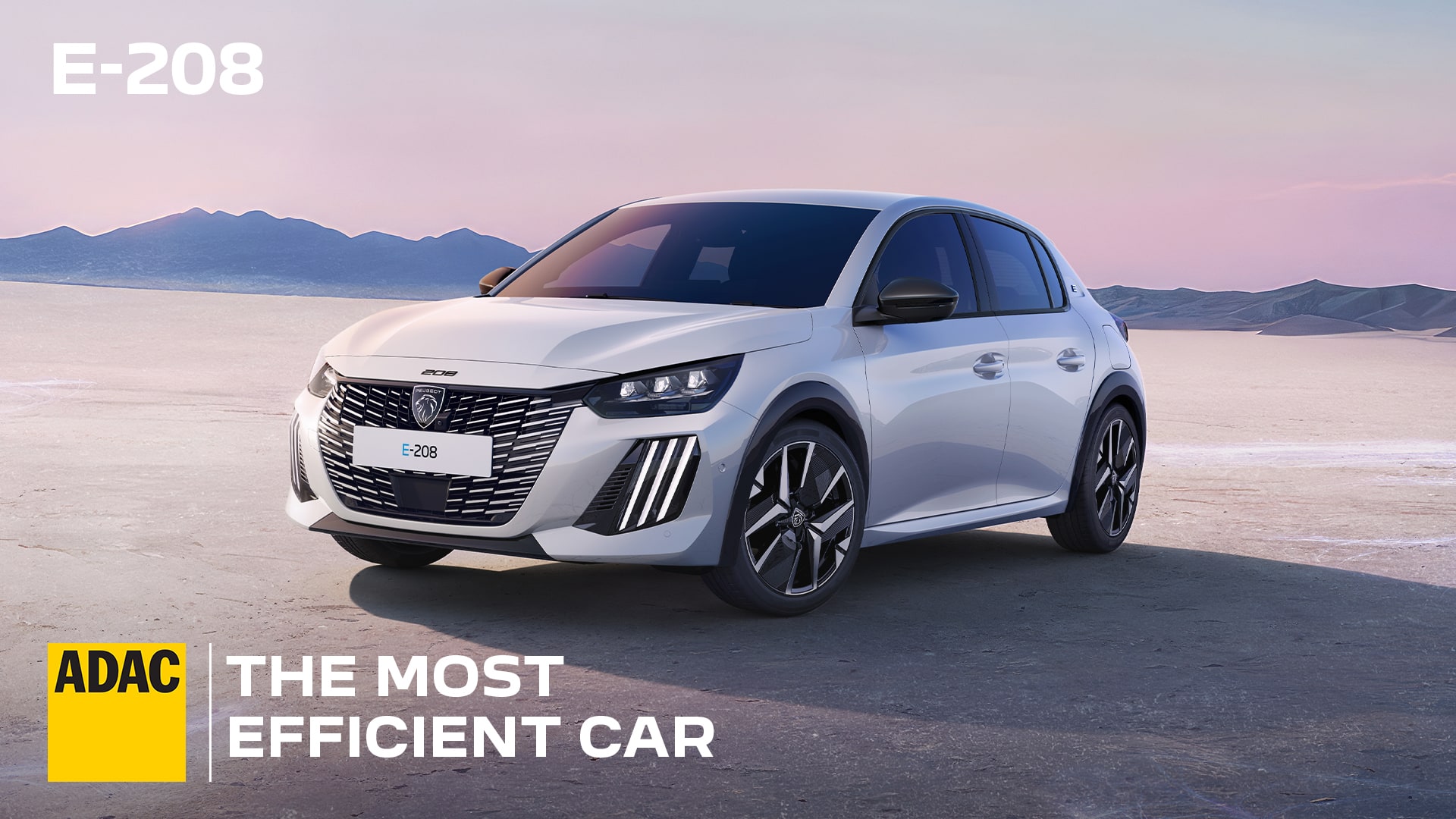
4. Peugeot 308 Hybrid, from €36,200: the French balance
With a 12.4 kWh battery and 64 km of WLTP electric range, the 308 Hybrid falls well short of the Golf on the figure that gives this article its title, but it is €3,700 cheaper and keeps a boot and a driving position that many prefer to the German car’s. For round trips to work of under 30 km, the difference in range with the top two in the ranking stops showing up in your wallet.
| Power (kW) | Power (CV) | WLTP electric range | WLTP consumption | Label | Fuel |
|---|---|---|---|---|---|
| 145 | 195 | 64 km | 1.3 l/100 km | 0 | PHEV |
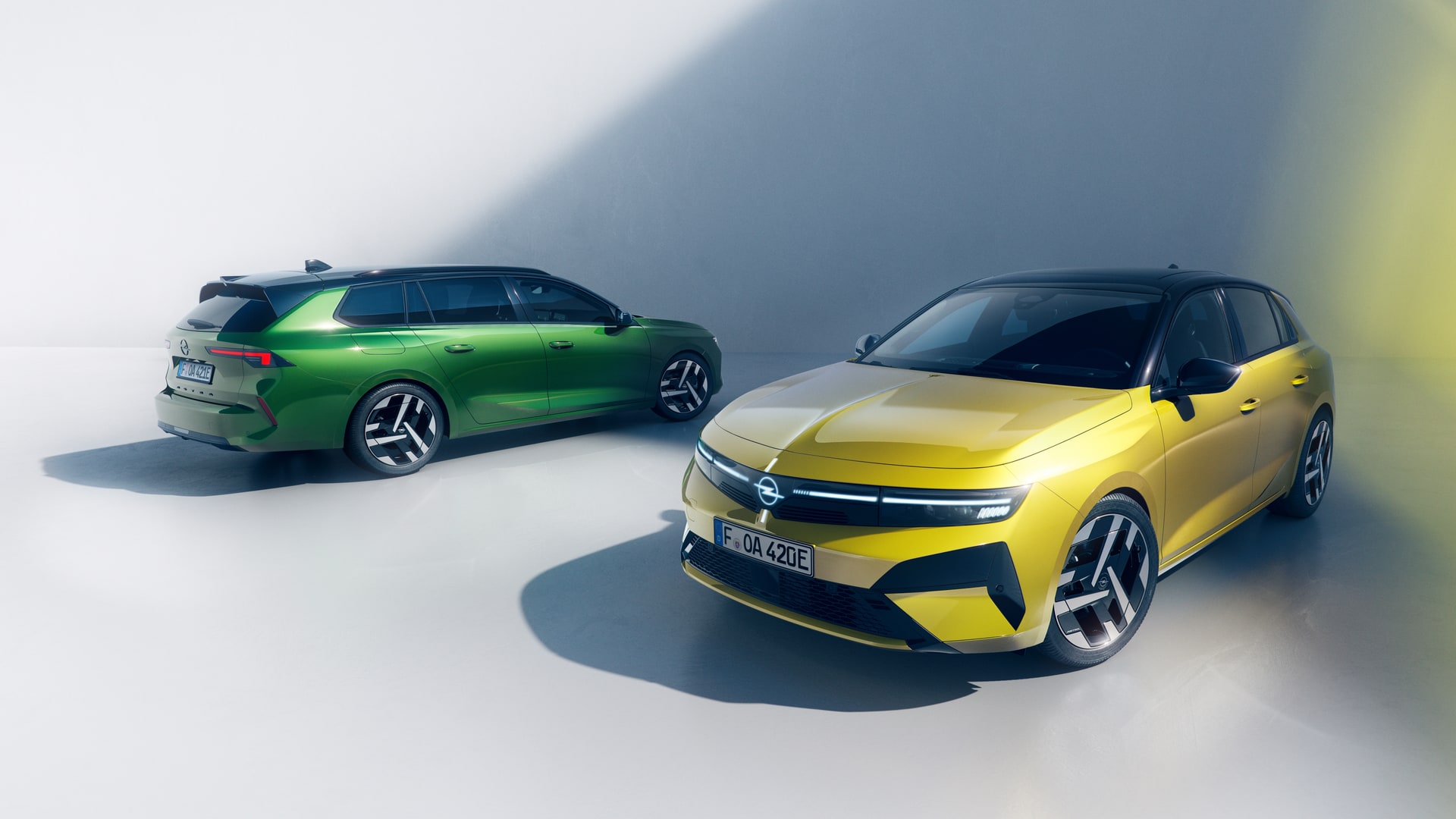
5. Opel Astra Hybrid, from €35,700: the cheapest of the five
A mechanical sibling of the 308 under the Stellantis umbrella, the Astra Hybrid homologates 63 electric kilometres with the same 12.4 kWh battery. It has, by a long way, the lowest entry price in the ranking, almost €4,200 less than the Golf eHybrid, more than 10% of the total price. If the priority is to get into the PHEV segment spending as little as possible, this is the candidate, although you will have to renegotiate your expectations on pure range.
| Power (kW) | Power (CV) | WLTP electric range | WLTP consumption | Label | Fuel |
|---|---|---|---|---|---|
| 133 | 180 | 63 km | 1.3 l/100 km | 0 | PHEV |
Comparison table of the 5 compact PHEVs with the longest electric range
| Model | Starting price | WLTP electric range | Combined power | Score (1-10) |
|---|---|---|---|---|
| Volkswagen Golf eHybrid | €39,900 | 143 km | 204 CV | 9.2 |
| Cupra Leon e-Hybrid | €40,800 | 119 km | 204 CV | 8.8 |
| Toyota Prius PHEV | €43,900 | 86 km | 223 CV | 8.0 |
| Peugeot 308 Hybrid | €36,200 | 64 km | 195 CV | 7.6 |
| Opel Astra Hybrid | €35,700 | 63 km | 180 CV | 7.4 |
Verdict: which compact PHEV to choose depending on your use case
If your priority is to cover as many kilometres as possible without the combustion engine, the Volkswagen Golf eHybrid wins without question: 143 km WLTP, and nothing in this segment under €45,000 comes close. If you want almost the same range with more driving character, the Cupra Leon e-Hybrid is the logical alternative, accepting those 24 km less. For anyone who values brand reliability above the raw battery figure, the Toyota Prius PHEV is convincing, although its price brushes the limit of this ranking and it does not compete on range. And if the criterion is entry price, the Peugeot 308 Hybrid and the Opel Astra Hybrid are almost level on everything except the €500 that separates their starting prices, with the Opel as the more economical option for those who do not need to exceed 60 electric kilometres a day. The price difference between the Golf eHybrid and the Astra Hybrid exceeds 10%, so if your real use fits within 60-65 km a day, paying the German car’s premium makes little sense.
Frequently asked questions
Which compact PHEV has the longest real-world electric range in 2026?
The Volkswagen Golf eHybrid, with 143 km of WLTP electric range thanks to its 19.7 kWh battery, the largest of the five models analysed.
Is it worth paying more for a PHEV with a longer electric range?
It depends on your daily kilometres. If you exceed 80 km on urban or mixed trips, a longer-range PHEV such as the Golf or the Cupra Leon pays back the price difference through lower petrol consumption. For short trips, a 308 Hybrid or an Astra Hybrid will do just as well.
Are there public grants for buying a compact PHEV in Spain in 2026?
Yes, through the Plan Auto+, the current framework of grants for buying electrified vehicles. Amounts and requirements change frequently, so it is advisable to check the official website before closing the purchase.
Does the WLTP electric range stay the same in winter?
No. With low temperatures and the heating on, the real-world loss is usually between 15% and 25% compared with the homologated figure, something that affects all five models in this ranking in a similar proportion.
For those who also care about how the car is charged at home or at work, it is worth reading how to choose an electric compact in 2026 depending on the type of charging you have available, a decision that weighs less on PHEVs but still shapes real savings. And if the question is between a PHEV and a pure electric car of the same size, the comparison between the MG4, Renault Megane E-Tech and Peugeot e-308 helps put the debate into figures.

3 Comments
Pingback: Cómo elegir un SUV PHEV familiar en 2026 según la autonomía eléctrica real y si puedes cargar en casa – Comparativa de Coches
Pingback: Los 5 SUV-C PHEV con mayor autonomía eléctrica real para familia en 2026 por debajo de 50.000€ – Comparativa de Coches
Pingback: Los 5 compactos eléctricos con mejor autonomía real en autovía por menos de 40.000€ en 2026 – Comparativa de Coches