

A passenger van’s WLTP consumption figure is good for filling brochures. In a real ride-hailing fleet — airport runs, the radial road, 160,000 km a year — what matters is what the trip computer shows when you step out at Terminal 4 after two hours at 120 km/h. And there the numbers move quite a lot compared with the paper figures.
We have cross-checked published road tests, fleet telemetry and conversations with fleet managers at mid-sized ride-hailing companies to rank the five most highway-efficient diesel 8-9 seat vans that can be registered in Spain today. No electric models are included: the angle is pure diesel, which remains the dominant fuel in the segment because of its range and refuelling time.
Why real-world highway consumption matters most for ride-hailing
An airport ride-hailing vehicle rarely spends less than 70% of its kilometres at the legal maximum speed. At a sustained 120 km/h, a 2.2-tonne van with a tall body pays an aerodynamic penalty that does not appear in the homologated mixed cycle. The gap between WLTP and real motorway consumption ranges from 1.2 to 2.0 l/100 km depending on the model — and multiplied by 150,000 km a year, that is between €2,000 and €3,500 of extra diesel per vehicle per year.
That is why this ranking is ordered by real litres at 120 km/h, not by homologation. The remaining variables (boot space with all 8 seats occupied, drivetrain reliability, service network) come into play as tie-breakers.
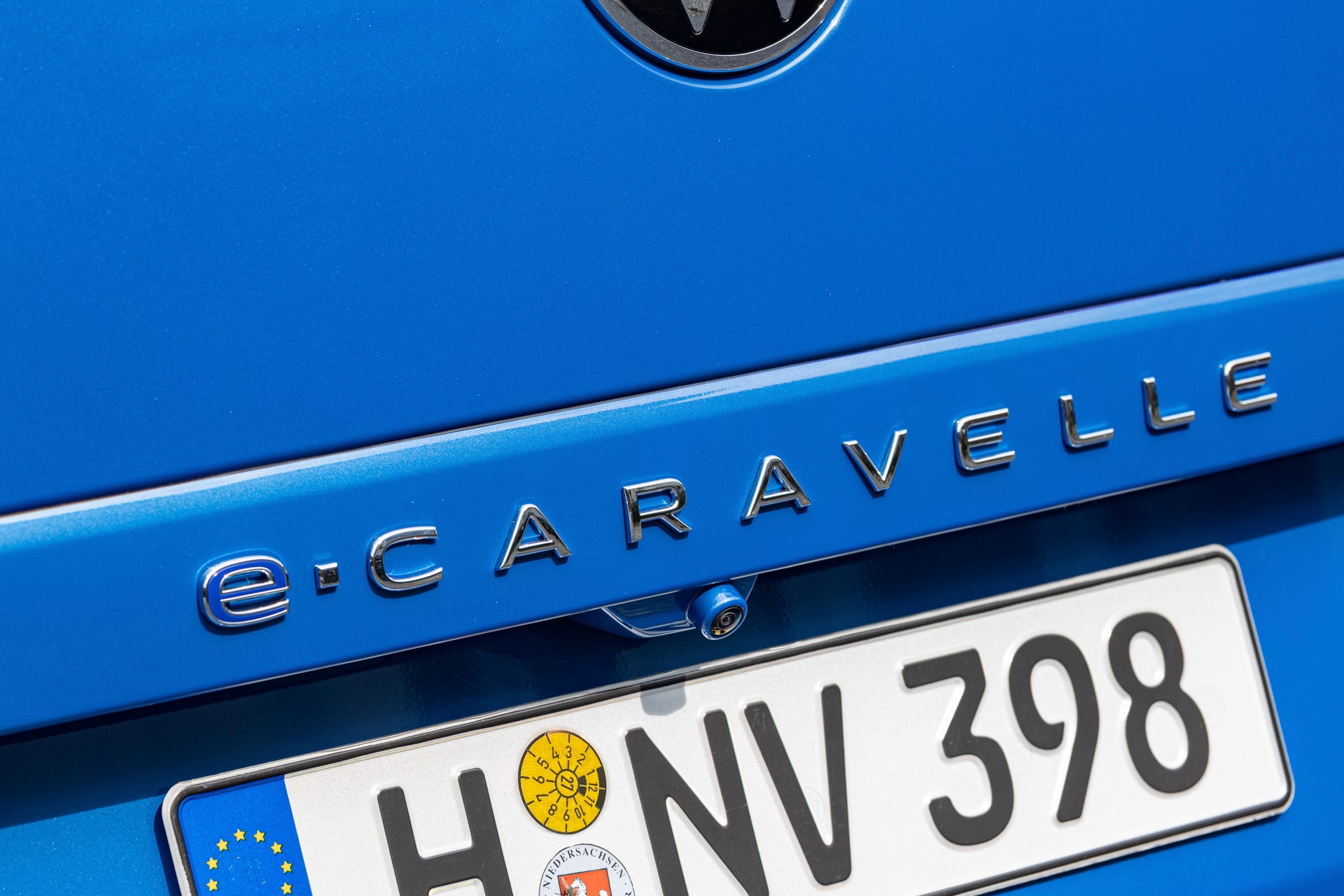
1. Volkswagen Caravelle 2.0 TDI 150 CV DSG — from €54,900
The Caravelle with the 150 CV 2.0 TDI and 7-speed DSG gearbox is the segment benchmark for consumption at legal speeds. On a flat motorway, with 4-5 passengers and moderate luggage, it runs between 6.8 and 7.2 l/100 km real-world. That is the best figure in the group, and not by a small margin.
The DSG helps: the long seventh gear allows cruising at 120 with the engine below 2,000 rpm, something rival manual-type gearboxes do not achieve with the same smoothness. The drawback is the entry price — it is expensive compared with the Stellantis group — and DSG maintenance that must be budgeted separately.
| Power kW | Power CV | Fuel | Label | Real motorway consumption |
|---|---|---|---|---|
| 110 kW | 150 CV | Diesel | C | 6.8-7.2 l/100 km |
2. Mercedes-Benz Vito Tourer 116 CDI 163 CV 9G-Tronic — from €52,800
The Vito Tourer with the 163 CV 2.0 CDI and 9G-Tronic automatic gearbox delivers consumption of 7.0-7.5 l/100 km on long motorway runs. The automatic’s ninth ratio is its great asset: it lowers engine revs at cruise and keeps the engine relaxed even when loaded.
In its favour: the Mercedes network for fleets is the best in the group, with maintenance contracts and parts availability well above average. Against it: the standard equipment of the entry-level Tourer falls short for a vehicle that exceeds €50,000, and moving up a trim level pushes the RRP above €60,000.
| Power kW | Power CV | Fuel | Label | Real motorway consumption |
|---|---|---|---|---|
| 120 kW | 163 CV | Diesel | C | 7.0-7.5 l/100 km |
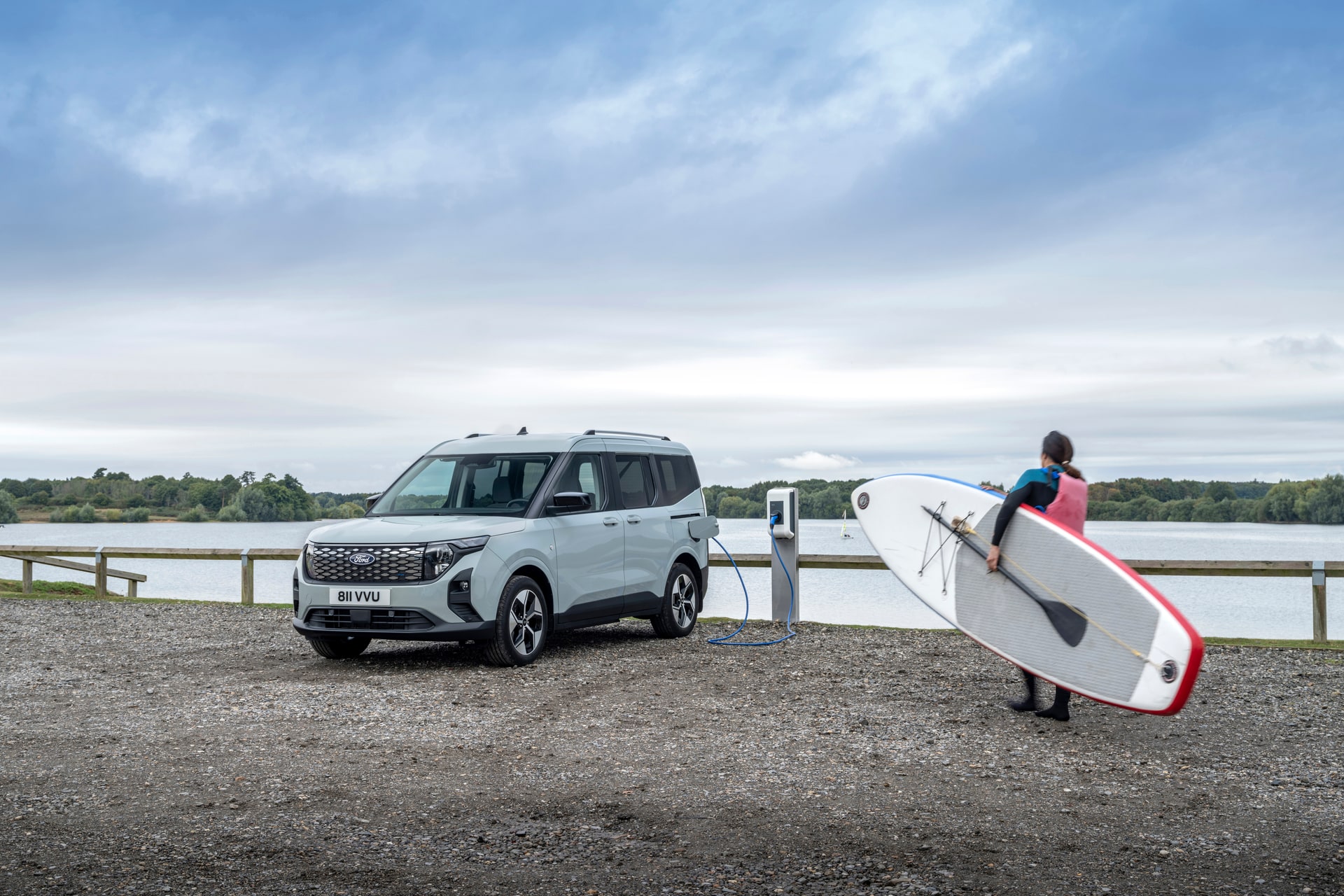
3. Ford Tourneo Custom 2.0 EcoBlue 150 CV Auto — from €48,600
The new generation of the Tourneo Custom has made a significant leap in aerodynamics over the previous model. With the 150 CV 2.0 EcoBlue and 8-speed automatic gearbox, it settles at 7.2-7.6 l/100 km real-world on the motorway, an excellent result for its body height.
Its strong point is standard equipment — rear air conditioning, a driver-assistance pack and the SYNC 4 screen come as standard, something you have to pay extra for on the Vito or Caravelle. Its weak point, at least for now, is that the Ford commercial vehicle service network does not play in the same league as Mercedes or Volkswagen for large fleets.
| Power kW | Power CV | Fuel | Label | Real motorway consumption |
|---|---|---|---|---|
| 110 kW | 150 CV | Diesel | C | 7.2-7.6 l/100 km |
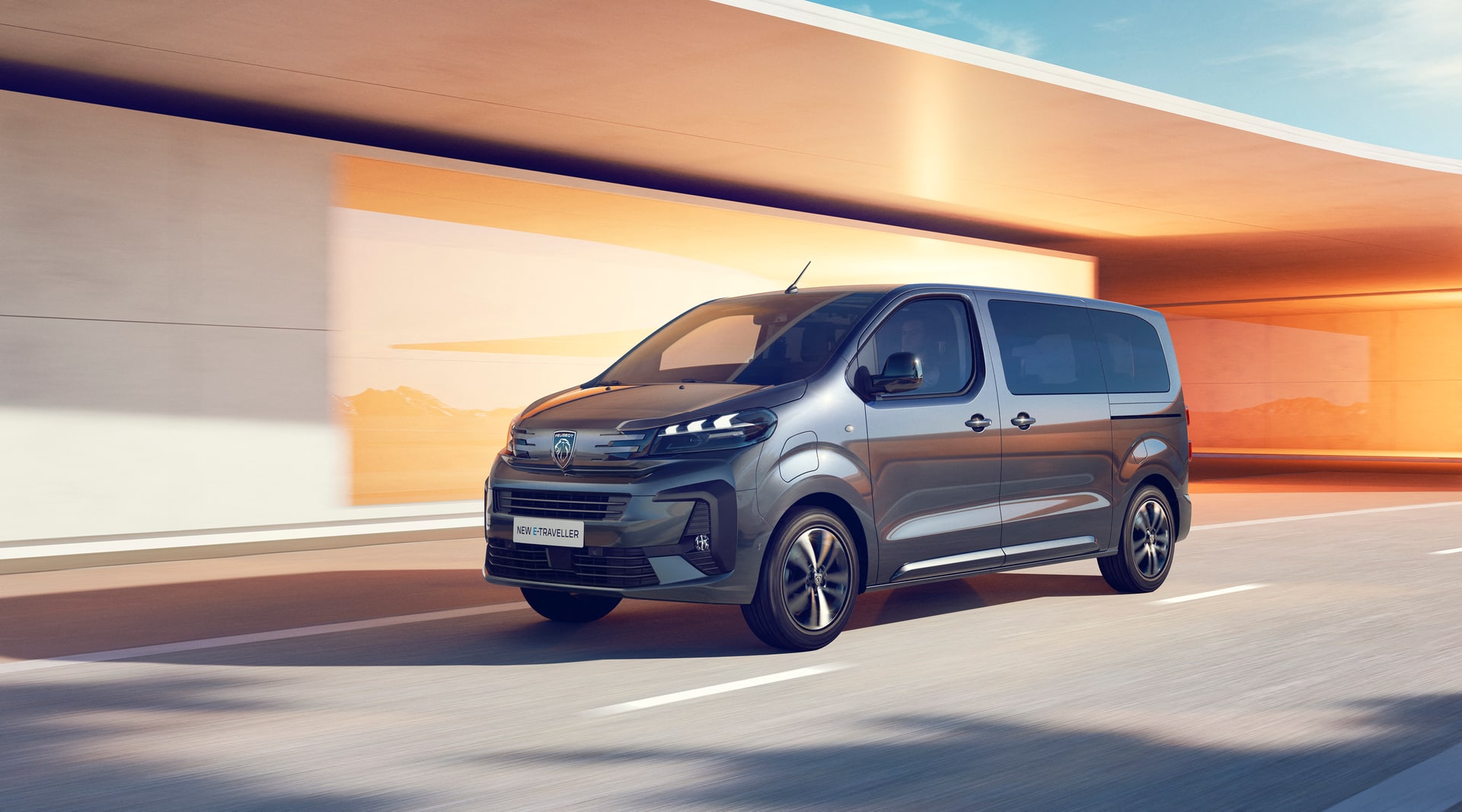
4. Peugeot Traveller BlueHDi 180 EAT8 Long — from €46,200
The Traveller with the 180 CV 2.0 BlueHDi and EAT8 automatic gearbox, in Long body and Business trim, delivers 7.4-7.8 l/100 km on the motorway. That is a very good consumption figure for a 180 CV engine, and the number holds up even with all 8 seats occupied, which is when the others suffer most.
Its best feature is the price: below €47,000 to start, it offers more vehicle than any German rival. Its worst point is the same “worst point” that all Stellantis siblings of this platform share: the driving position sits a step below in perceived quality.
| Power kW | Power CV | Fuel | Label | Real motorway consumption |
|---|---|---|---|---|
| 130 kW | 180 CV | Diesel | C | 7.4-7.8 l/100 km |
5. Opel Vivaro Combi 2.0 Diesel 145 CV EAT8 L — from €42,900
The Vivaro Combi shares its platform, engine and gearbox with the Traveller, but arrives with a 145 CV version of the 2.0 diesel which, having less power in reserve, consumes about the same but not better: 7.5-7.9 l/100 km on the motorway. It is the cheapest option in the ranking by a considerable margin.
Its appeal is clear: an entry RRP below €43,000 makes it the 8-seat van with the best acquisition cost among modern models. In return, you can tell it is the “commercial” variant of the family: more sober materials, less standard equipment, and a shorter personalisation range.
| Power kW | Power CV | Fuel | Label | Real motorway consumption |
|---|---|---|---|---|
| 106 kW | 145 CV | Diesel | C | 7.5-7.9 l/100 km |
Summary table with scores
| Model | Real consumption 120 km/h | Price from | Fleet service network | Standard equipment | Overall score |
|---|---|---|---|---|---|
| VW Caravelle 2.0 TDI 150 DSG | 6.8-7.2 l | €54,900 | 9/10 | 7/10 | 8.7 |
| Mercedes Vito Tourer 116 CDI | 7.0-7.5 l | €52,800 | 10/10 | 6/10 | 8.5 |
| Ford Tourneo Custom 2.0 150 | 7.2-7.6 l | €48,600 | 7/10 | 9/10 | 8.3 |
| Peugeot Traveller BlueHDi 180 | 7.4-7.8 l | €46,200 | 8/10 | 7/10 | 8.0 |
| Opel Vivaro Combi 2.0 145 | 7.5-7.9 l | €42,900 | 8/10 | 6/10 | 7.7 |
Verdict by use case
For a large fleet with 5-year amortisation and high mileage (>120,000 km/year): Volkswagen Caravelle 2.0 TDI 150 DSG. Half a litre less per 100 km than the Vivaro, extrapolated to 150,000 km a year, saves roughly €2,400 per vehicle. The RRP difference is recovered within the cycle.
For premium airport ride-hailing with a demanding corporate client: Mercedes-Benz Vito Tourer. It does not win on consumption by a whisker, but the service network and the 4-year residual value justify the premium if you bill at Business rates.
Value for money and entry for a young fleet: Peugeot Traveller BlueHDi 180 EAT8. More than €8,000 below the Caravelle with consumption close to the Tourneo. If a self-employed driver or small business needs to start with limited capex, this is the most rational choice.
The Ford Tourneo Custom remains the wildcard for those who prioritise equipment without paying a German premium, and the Opel Vivaro Combi only makes sense when budget is the dominant criterion. Between the cheapest and the most expensive in the ranking there is a 28% difference in RRP — significant for any fleet plan.
Frequently asked questions
Which diesel passenger van has the lowest real motorway consumption in 2026?
The Volkswagen Caravelle 2.0 TDI 150 CV with DSG gearbox, at 6.8-7.2 l/100 km measured at 120 km/h with partial load, is the most efficient in the segment in Spain.
Is it worth paying more for a Caravelle than a Peugeot Traveller for ride-hailing?
It pays off from 120,000 km a year and 4-5 years of amortisation. Below that mileage, the Traveller BlueHDi 180 EAT8 offers a better return because the RRP difference (around €8,700) is not recovered through fuel savings alone.
Why are electric vans not included in this ride-hailing ranking?
Because the angle is diesel. For airport operations with high turnover and little stop time between jobs, real range and the 5-minute diesel refuelling remain decisive. Electric models such as the EQV or the ID. Buzz are candidates for urban fleets, not long-distance ride-hailing.
What environmental label do these vans carry, and does it affect ZBE access?
All carry label C as Euro 6d diesels homologated from 2021. They can circulate in the current ZBEs of Madrid and Barcelona without restriction for professional vehicles, although it is advisable to check the specific ordinances of each municipality before operating.
