

Buying a petrol compact SUV for less than €30,000 in 2026 means choosing the right trim carefully. With the brand discount applied and financing, almost all the candidates in this ranking fit the budget, but the difference between driving away with a 360º camera and dual-zone climate control or one with a basic radio and hard cloth seats can be just a single trim step. We have cross-checked official price lists, usual discounts and real standard equipment to select five models that, in our view, make each euro go furthest.
No phantom versions or trims that are not sold separately: everything listed here can be configured today at a Spanish dealership.
What we ask of a petrol SUV-C under €30,000
The €30,000 threshold after discounts (list price around €32,000-33,000 before promotions) marks a clear boundary: below it sits the well-equipped mainstream SUV-C; above it begins entry-level premium or the plug-in hybrid. For this ranking we prioritise four things, in this order: complete standard Level 2 ADAS pack, at least single-zone digital climate control, infotainment screen with wireless CarPlay/Android Auto, and alloy wheels of at least 17″.
Consumption matters, but it is not king: a modern pure petrol 1.3-1.5 turbo moves these cars at between 6.5 and 7.5 l/100 km in real driving. Anyone looking to go below that is already looking at hybrids, and that is a different article.
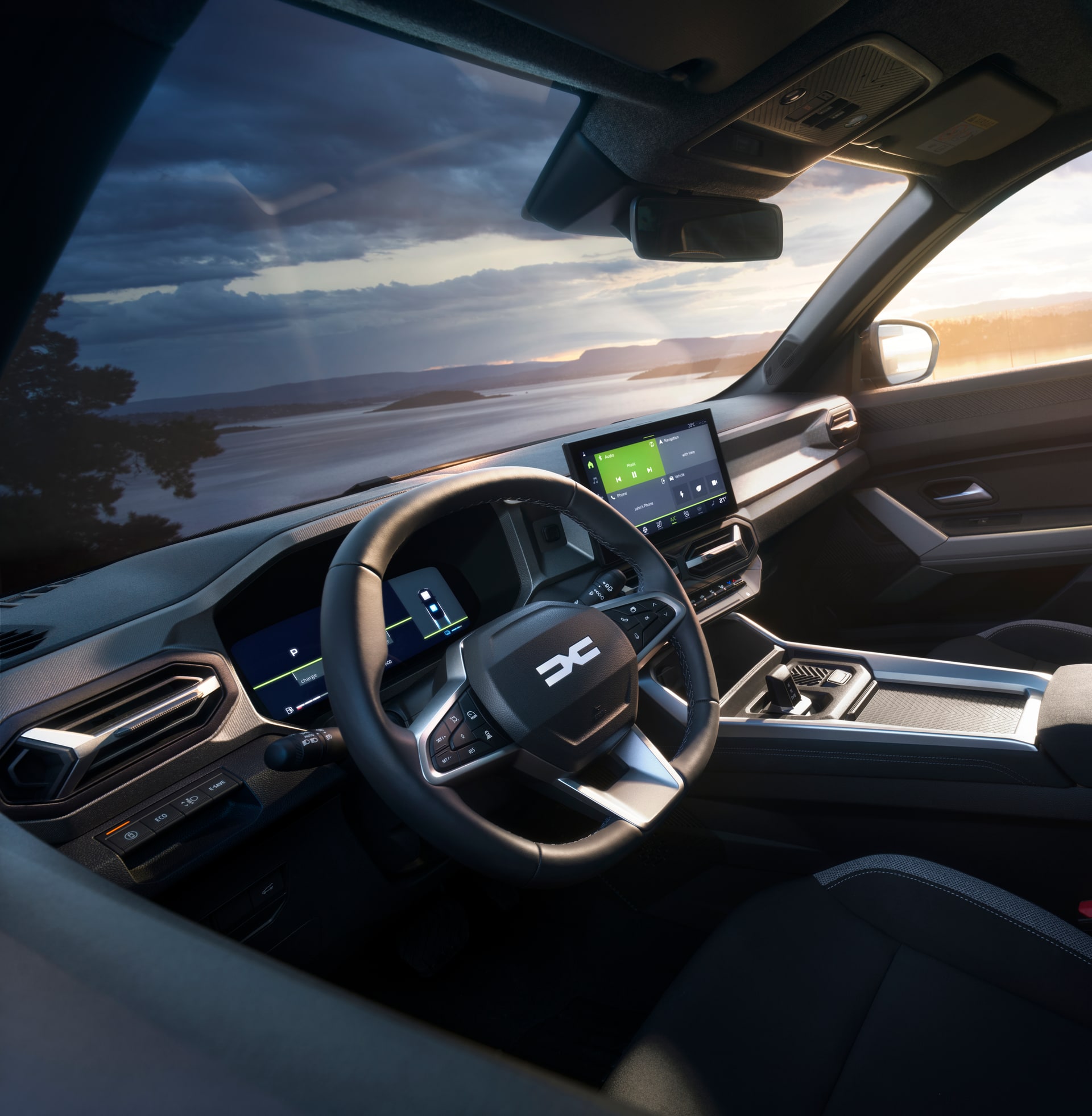
Dacia Bigster TCe 140 Expression — from €23,500
It is the Trojan horse of the segment. The Bigster TCe 140 starts below €24,000 in Expression trim and, with the step up to Journey, comes in at around €26,500 with equipment that makes any rival hesitate. 10.1″ screen, automatic climate control, rear camera, 18″ wheels and a length of 4.57 m that places it closer to a mid-size SUV in interior space than to its direct compact rivals.
| Power CV | Power kW | Fuel | Label | WLTP consumption |
|---|---|---|---|---|
| 140 CV | 103 kW | Petrol mild hybrid | ECO | 6.0 l/100 km |
The downside: interior materials that feel one notch below the rest of the list, and mediocre soundproofing on motorways. But at the price it sells for, it is almost impossible to argue against.
MG HS 1.5T Comfort — from €24,990
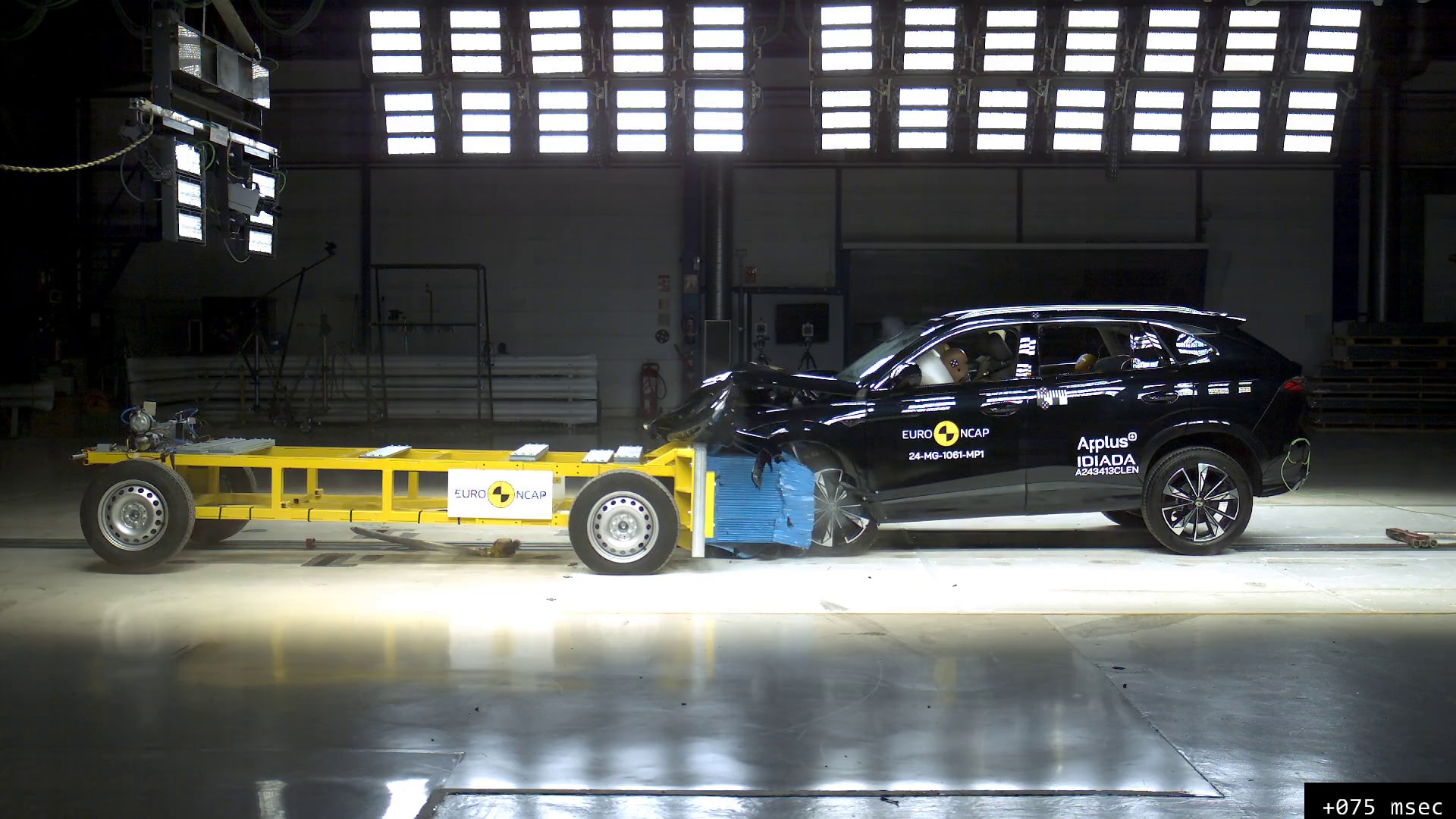
The new-generation MG HS is probably the largest SUV-C per euro invested on the Spanish market. The 170 CV 1.5T with manual gearbox starts at €24,990 and the DCT automatic costs around €27,500. In Comfort trim it includes a 12.3″ screen, digital instrument cluster, dual-zone climate control, six airbags, a complete ADAS pack with adaptive cruise control and 18″ wheels.
| Power CV | Power kW | Fuel | Label | WLTP consumption |
|---|---|---|---|---|
| 170 CV | 125 kW | Petrol | C | 7.4 l/100 km |
The 7-year warranty is a serious argument against any European mainstream brand. The driving feel is not the most refined and real motorway consumption easily exceeds 8 l/100 km, but as a large-family proposition on a tight budget, it is hard to beat.
Hyundai Tucson 1.6 TGDI Maxx — from €28,400
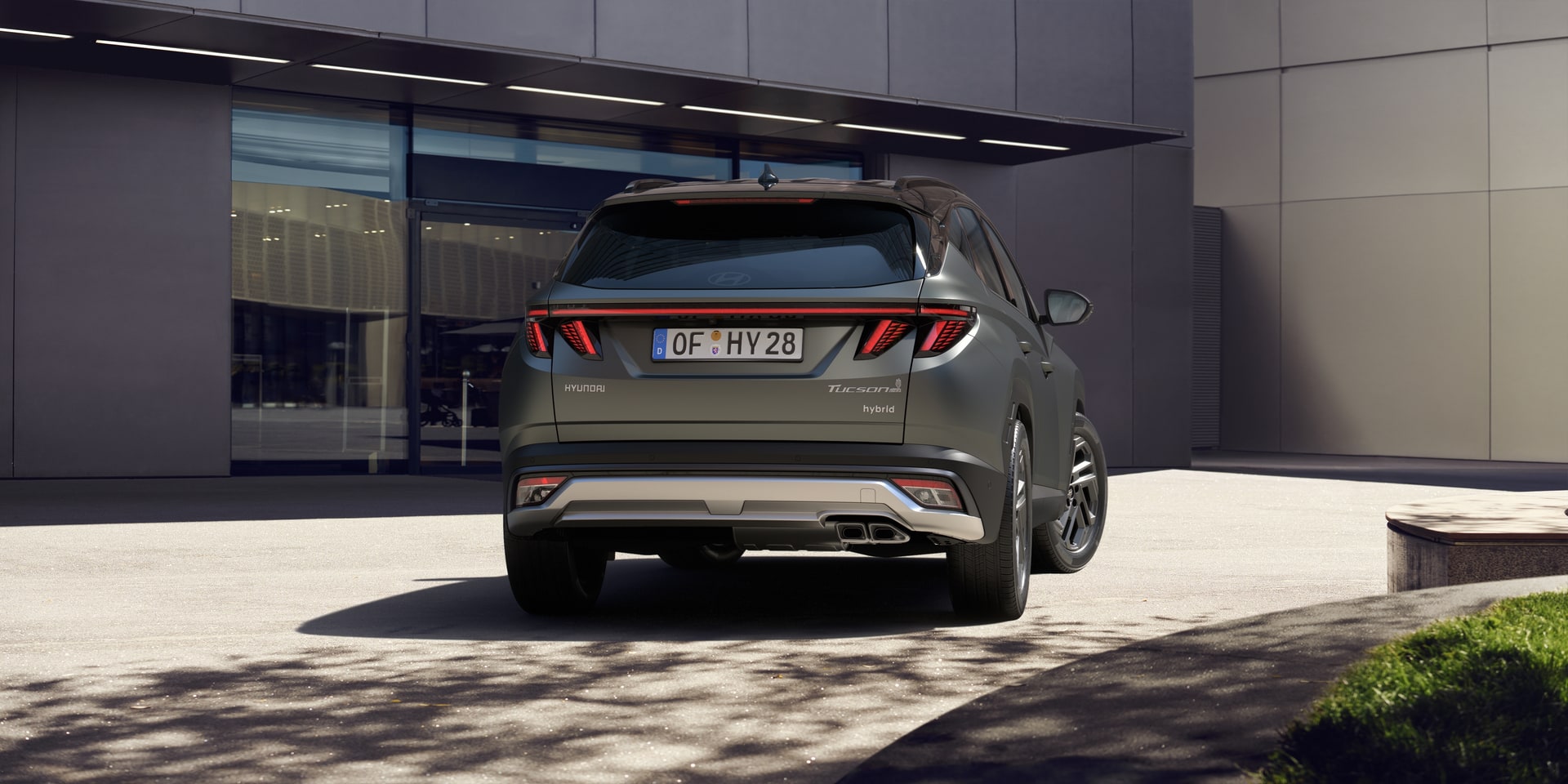
Here we are talking about the king of the segment competing with its own weapons. The Tucson with the 150 CV 1.6 T-GDI in Maxx trim (the well-judged middle step) comes to around €28,400 after Hyundai’s usual dealer discount, which ranges between €2,500 and €3,500 off list price. For that money you get the complete Level 2 ADAS pack, dual-zone climate control, a dual 12.3″ screen, wireless charging and the 5-year unlimited-mileage warranty — a passport few others offer.
| Power CV | Power kW | Fuel | Label | WLTP consumption |
|---|---|---|---|---|
| 150 CV | 110 kW | Petrol mild hybrid | ECO | 6.6 l/100 km |
It is the most coherent car on the list: neither the cheapest nor the best equipped, but the one that forces the fewest compromises. For anyone who does not want to overthink it, it is the safe choice.
Toyota C-HR 1.8 Hybrid Active — from €29,900
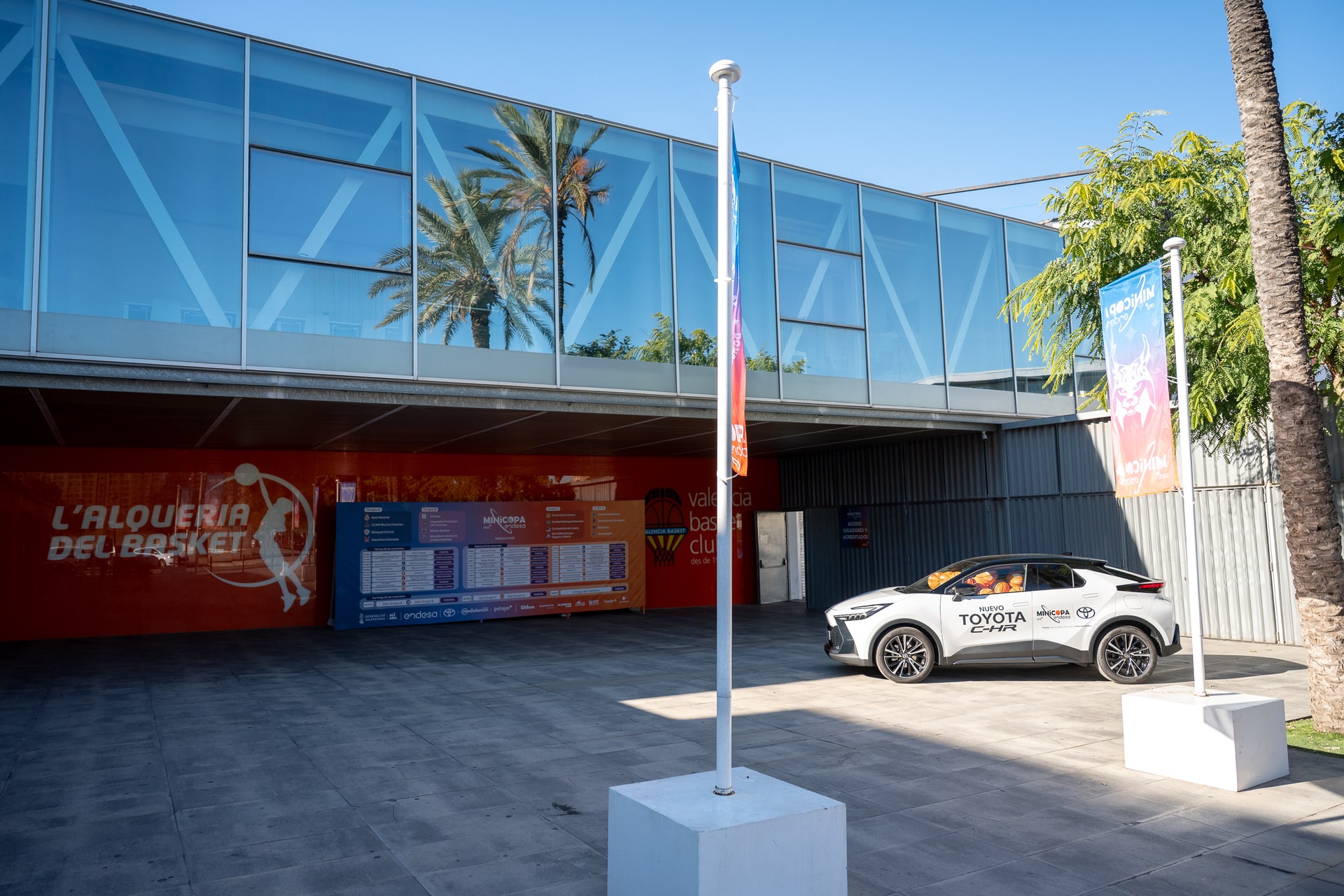
We include the C-HR even though it is a full self-charging hybrid because in Active trim with the 140 CV 1.8 it sits just at the €30,000 threshold, and because, in town, none of the pure petrol cars on this list comes close to its consumption (around 5 l/100 km in real driving). For a mixed-use profile with mostly urban driving and occasional country roads, the fuel saving offsets part of the premium over a Bigster.
| Power CV | Power kW | Fuel | Label | WLTP consumption |
|---|---|---|---|---|
| 140 CV | 103 kW | Hybrid | ECO | 5.0 l/100 km |
It is shorter than the rest (4.36 m) and the boot stays at 388 litres, so as a family SUV it has a clear ceiling. That said, if you are looking for a car for one or two people with mostly urban use and want to control the real cost per kilometre compared with an equivalent petrol, this Toyota is the only one on the list that delivers without excuses.
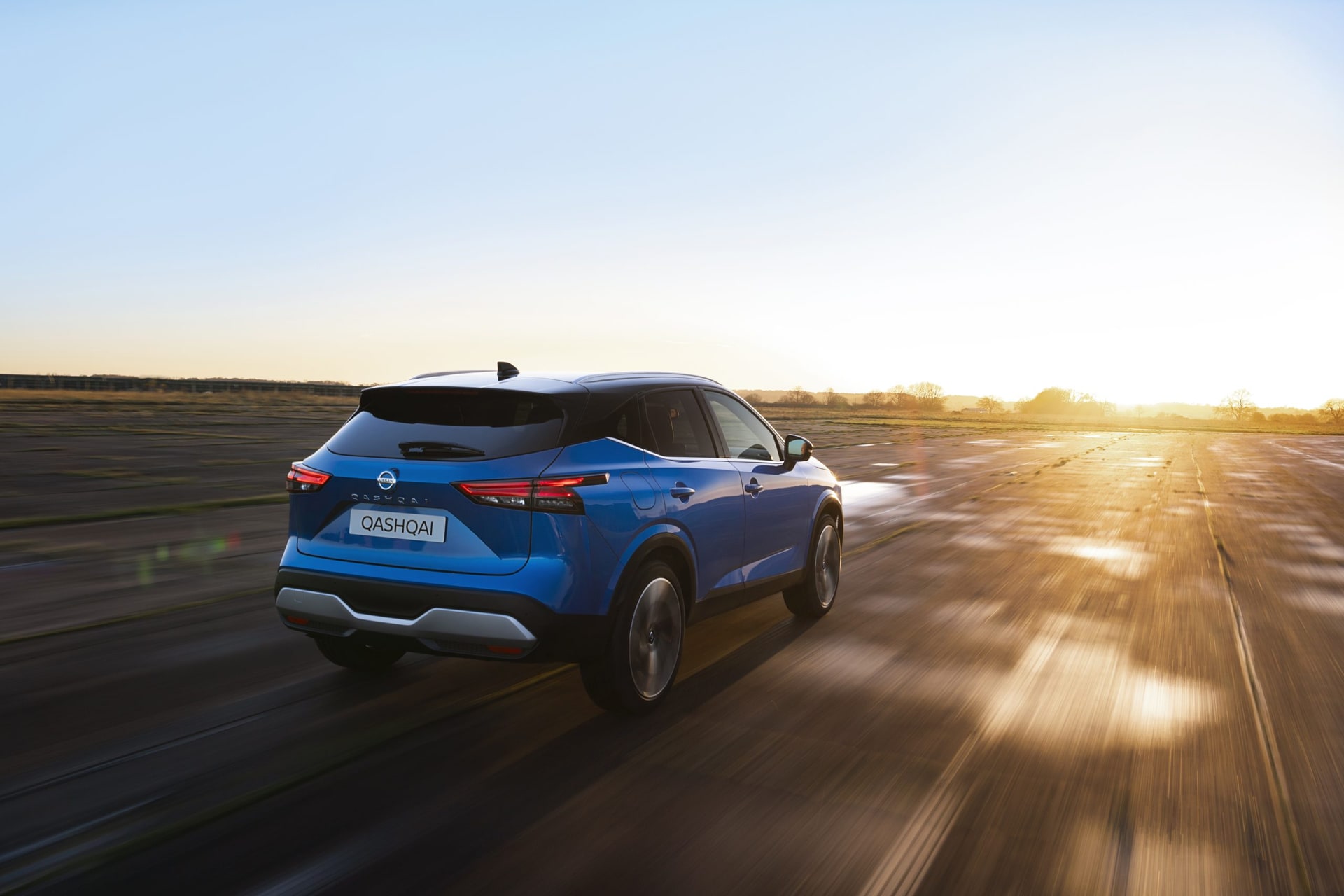
Nissan Qashqai 1.3 DIG-T Mild Hybrid Acenta — from €29,500
The Qashqai is the historic benchmark of the segment, and its Acenta trim with the 140 CV 1.3 mild hybrid falls within budget after the dealer discount. It includes dual-zone climate control, a 12.3″ screen, ProPILOT with lane centring assistance and 17″ wheels. Less flashy than the MG or the Bigster, but with superior perceived build quality and a denser after-sales network.
| Power CV | Power kW | Fuel | Label | WLTP consumption |
|---|---|---|---|---|
| 140 CV | 103 kW | Petrol mild hybrid | ECO | 6.3 l/100 km |
For many buyers it is the grown-up balance between price, equipment and “feeling like a serious car”. It is neither the cheapest nor the best equipped, but it does not fail at anything either.
Summary table and score
| Model | Price from | Power | Equipment | Warranty | Overall score |
|---|---|---|---|---|---|
| Dacia Bigster TCe 140 | €23,500 | 140 CV | 8/10 | 3 years | 9/10 |
| MG HS 1.5T | €24,990 | 170 CV | 9/10 | 7 years | 8.5/10 |
| Hyundai Tucson 1.6 TGDI | €28,400 | 150 CV | 9/10 | 5 years | 8.5/10 |
| Toyota C-HR 1.8 Hybrid | €29,900 | 140 CV | 7/10 | 3+10 years* | 7.5/10 |
| Nissan Qashqai 1.3 DIG-T | €29,500 | 140 CV | 8/10 | 3 years | 7.5/10 |
*Toyota extends it to 10 years when servicing is kept at an official dealer network.
Verdict by use case
- Maximum equipment per euro: Dacia Bigster TCe 140 Journey. No rival offers this much car for less than €27,000.
- Large family with a single car: MG HS 1.5T Comfort. 4.67 m, generous boot and 7 years of warranty.
- Sensible purchase with no surprises: Hyundai Tucson 1.6 TGDI Maxx. The “you can’t go wrong” of the segment.
- Mostly urban use: Toyota C-HR 1.8 Hybrid Active, the only one that drops below 5 l/100 km in real city driving.
- Grown-up profile, mixed mileage: Nissan Qashqai Acenta. Nothing flashy, everything covered.
The list price difference between the Bigster and the C-HR exceeds 25%, so they are not the same type of purchase: one is the “I want the most for the least” move and the other is “I want to spend little on petrol even if I pay more upfront”. Being clear about this before stepping into the showroom saves arguments.
Frequently asked questions
Does a petrol SUV-C qualify for the Plan Auto+?
The Plan Auto+ is aimed mainly at electrified vehicles (pure electric and PHEV). Pure petrol or mild hybrid SUV-Cs with an ECO label usually do not qualify for the current state aid; check the current call on the official website before deciding.
Is it worth paying the step up to a full hybrid over a petrol mild hybrid?
It depends on mileage and use. Below 15,000 km/year with mostly motorway use, the fuel saving does not offset the premium over 5 years. Above that figure with plenty of urban driving, it does.
How much real discount can be negotiated off list price on these models?
It varies by brand and month, but in 2026 the usual discounts range from 8% (Toyota, Dacia) to 15% (MG, Hyundai, Nissan) off list price, when financing with the brand and trading in a used car.
Which trim should be avoided on each?
In general, the entry-level trims: Dacia Essential, MG Standard, Hyundai Klass, Nissan Visia and Toyota Active without packs. They usually come without dual-zone climate control or the complete Level 2 ADAS, and the step to the next rung rarely exceeds €1,500-2,000 when well amortised.

2 Comments
Pingback: Cómo elegir un SUV calidad-precio en 2026 según el equipamiento de serie que realmente usas cada día – Comparativa de Coches
Pingback: Cómo elegir un utilitario urbano gasolina en 2026 según el consumo real en atasco y la facilidad para aparcar – Comparativa de Coches